At Oxford, expectations are exceptionally high. Teaching has taken place there since 1096, and the institution’s reputation shapes everything around it, including the experience students and faculty have when they walk into a teaching space. As Lewis Logan-Fowler, AV Service Manager, puts it, “Everything about AV at Oxford has to be driven by that standard.”
But Oxford’s challenge is not simply maintaining technology in old buildings. It is creating a consistent, modern teaching experience across a vast and diverse estate, where spaces range from historic lecture halls to newly built interdisciplinary facilities. Faculty should be able to walk into a room, teach, and trust that the technology will support them without getting in the way. Students should be able to hear, see, participate, and revisit material later in high quality.
Video now plays a central role in how Oxford shares knowledge. Lecture capture remains essential, but the need goes beyond recording classes. Teaching now extends into the digital realm through hybrid delivery, remote participation, and educational recordings that can be revisited, repurposed, and shared more widely. “We want to disseminate our teaching and learning across the wider world,” says Jake Bevan, AV Solutions Manager.
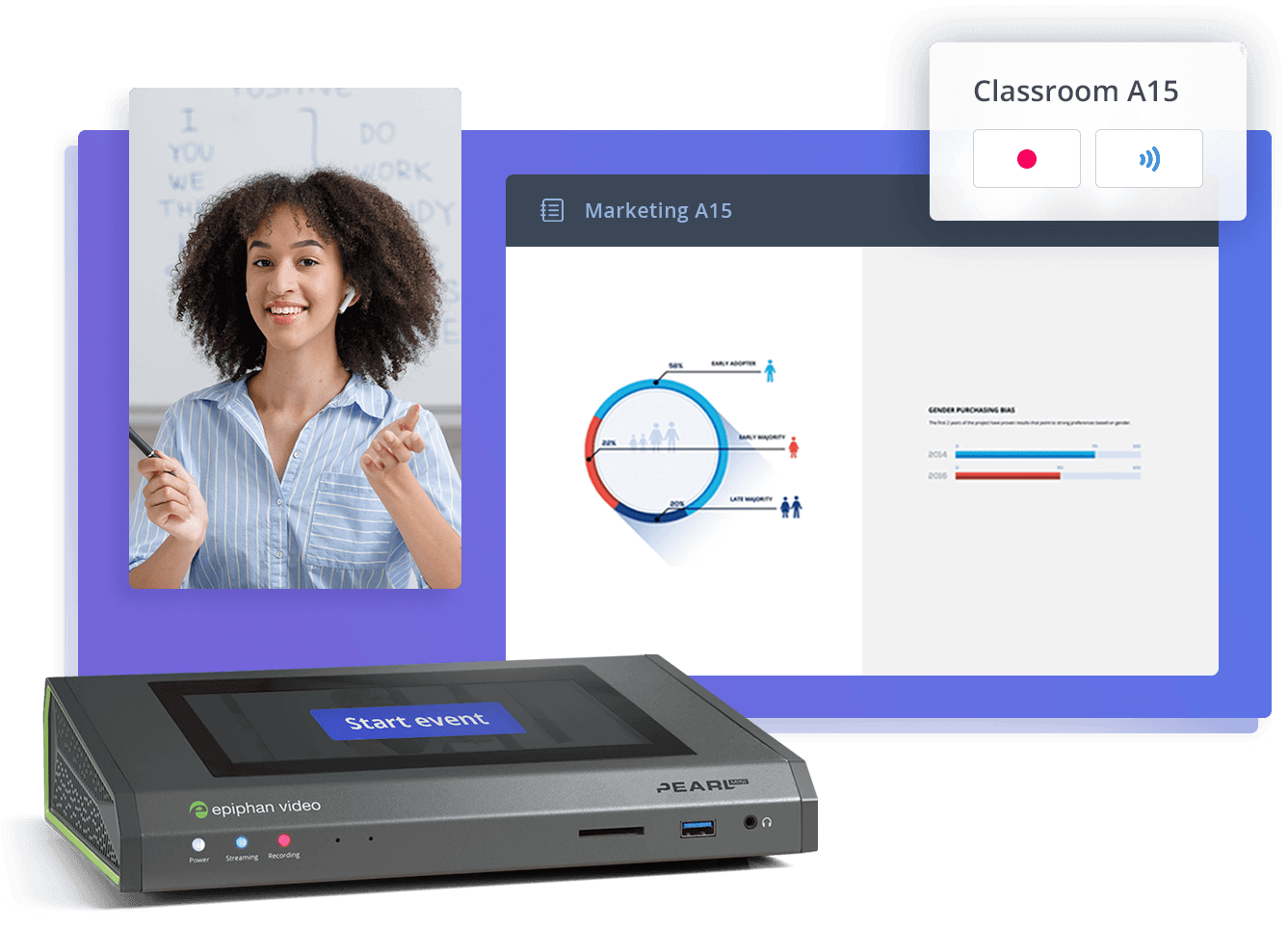
Equip your campus with best-in-class video solutions
Meet your school’s video production needs with a lineup of flexible and scalable hardware for video capture, streaming, and recording – all centrally managed. Perfect for lecture capture, online learning programs, and more.
Challenge: one standard of experience, many different kinds of spaces
Oxford is not a one-size-fits-all environment. Its buildings vary dramatically in age, layout, infrastructure, and constraints. Some were built long before modern AV, and even before electricity. As Jake notes, “Oxford University is not the easiest place in the world to try and deploy technology.” Lewis describes spaces where infrastructure is limited, cable routes are difficult, and heritage considerations must be respected at every step.
At the same time, user expectations are rising. Faculty do not want to wrestle with systems or spend precious minutes troubleshooting before a class begins. Students increasingly expect recorded content, digital access, and a learning experience that feels current and flexible. Oxford’s AV team knew the answer was not to force every room into the same mold. The real goal was to deliver a standard of experience, even when the spaces themselves were radically different.
That challenge became especially clear in lecture capture. Oxford had built up roughly 250 software-based remote recorder devices to support growing demand. While workable, they created a major support burden and were not viable to scale. PC-based systems meant updates, instability, and uncertainty around scheduled recordings. “There must be a better way of doing this,” Lewis recalls.
-
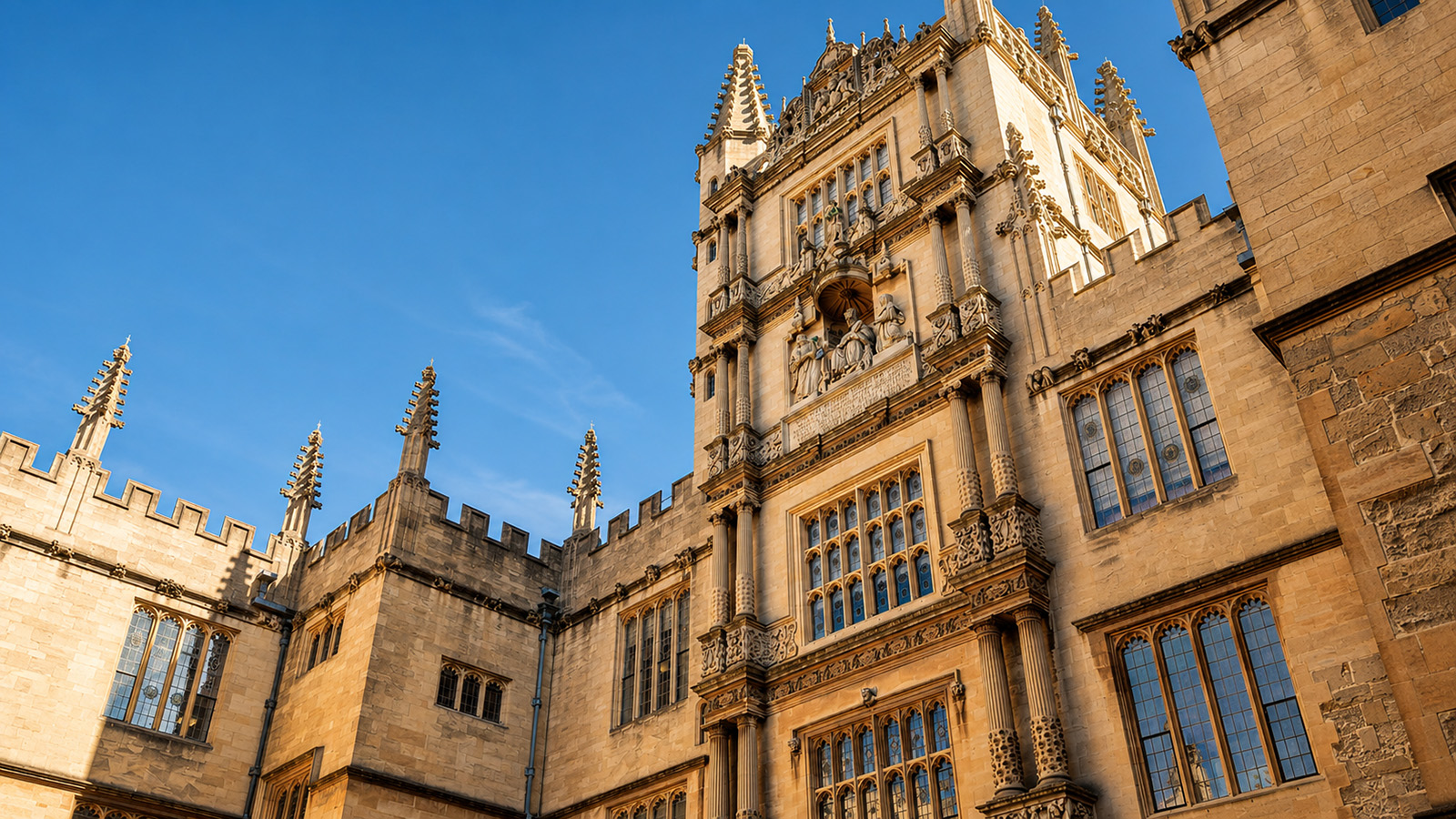
The Tower of the Five Orders in Oxford’s historic Schools Quadrangle
-
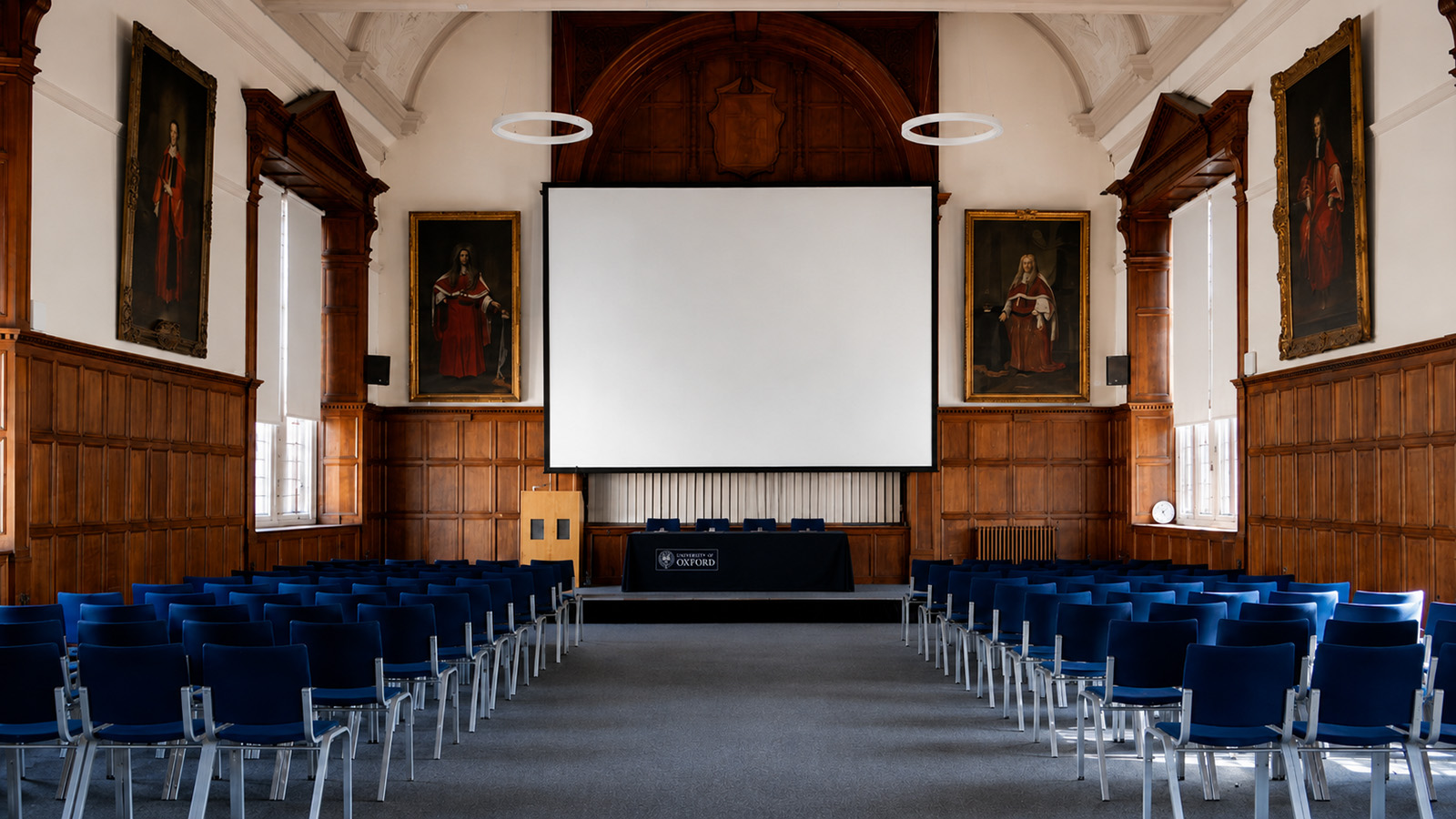
A multi-purpose space in Oxford’s Examination Schools
-
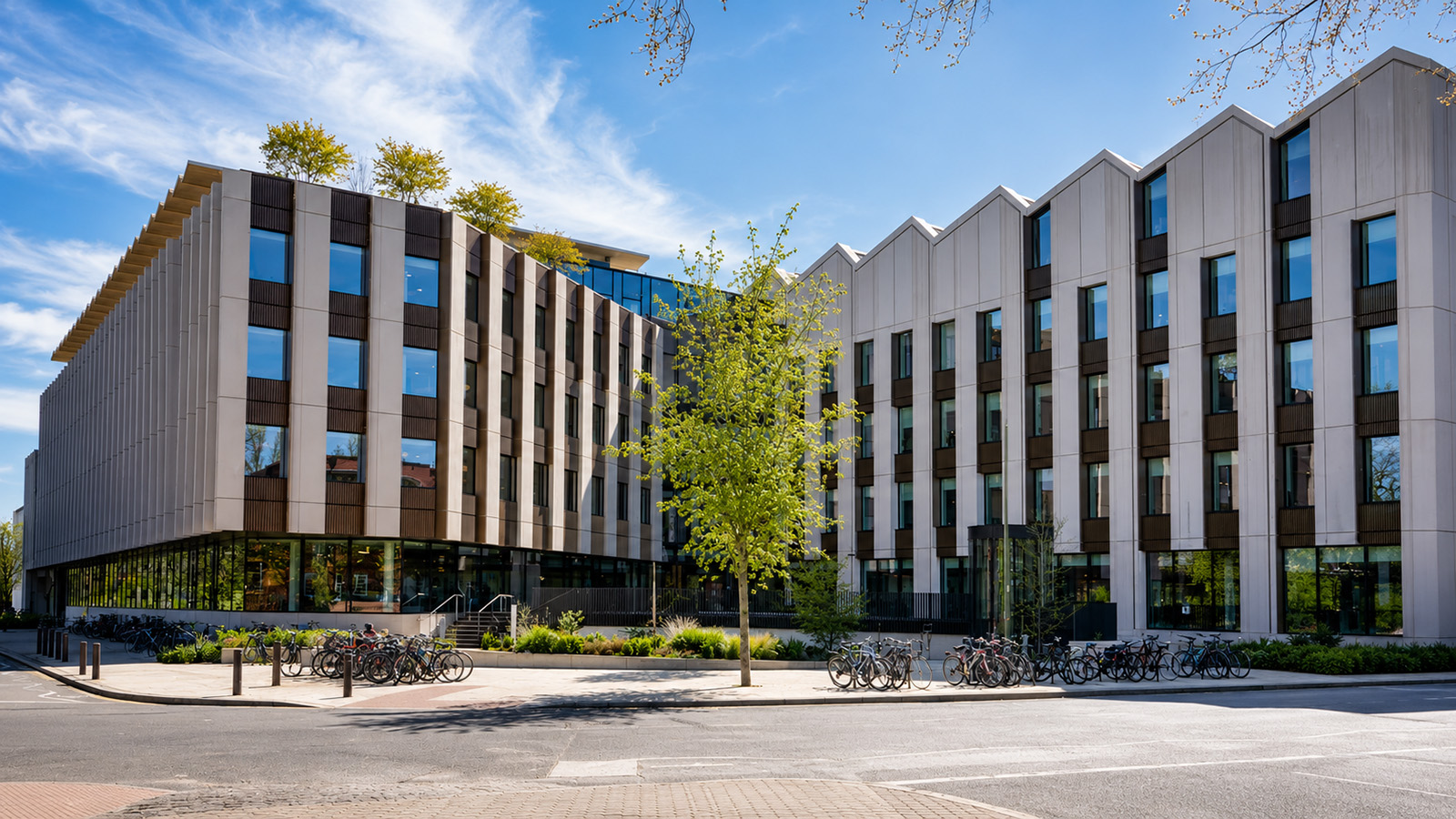
The Life and Mind Building
-
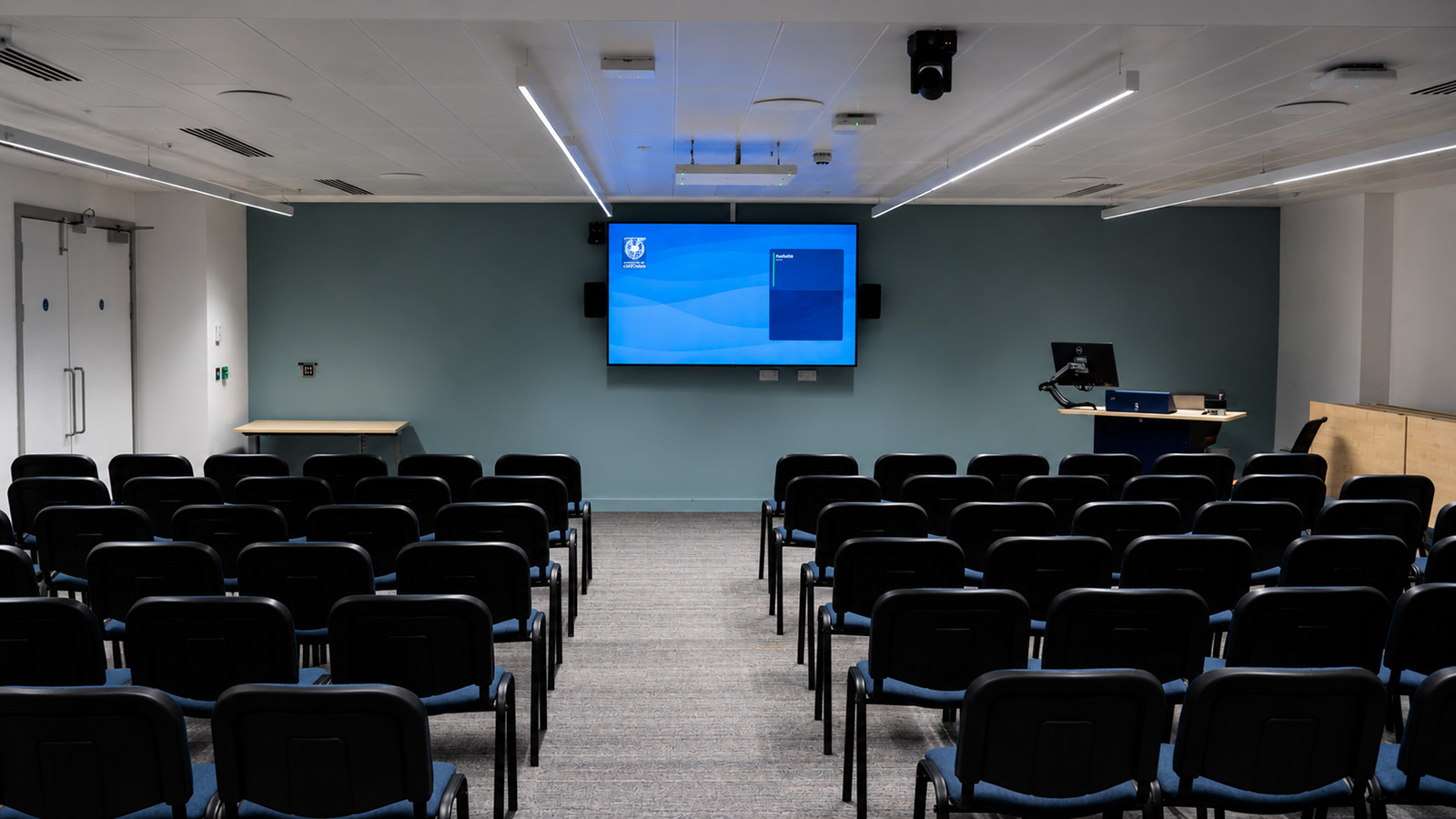
A teaching space in the Life and Mind Building
Solution: Epiphan Pearl helps Oxford simplify lecture capture at scale
As Oxford’s AV team explored alternatives, distributor partner Holdan helped bring the right conversation and technology to the table. That led to a session focused on the future of lecture capture and the role the Epiphan Pearl platform could play in a more reliable, scalable approach. The team tested the hardware, circulated demo units internally, and quickly saw its potential. As Lewis Logan Fowler put it, the feedback was clear: “This is a solution to this problem, and it works.”
Oxford has since adopted Epiphan Pearl Nexus as a key part of its evolving lecture capture model, including in the new Life and Mind Building. There, the university created a flagship environment that brings together a wide variety of teaching and research spaces while maintaining a consistent user experience. The building reflects the broader direction Oxford wants to move in: technology that is intuitive, dependable, and largely invisible to the people using it.
Why Pearl was a strong fit for Oxford:
- Direct integration with Panopto for simple, reliable lecture capture workflows
- Hardware-based recording that avoids the instability of PC-based capture systems
- Flexible enough to support a wide range of room types and source configurations
- Network-based remote management and monitoring
- A schedule-driven model that allows teaching to happen without manual intervention
For Oxford, the value was not just in having a reliable recorder. It was in having a platform that could adapt to different spaces while still supporting the same outcome. As Jake explains, some rooms may only need to capture a presentation screen, while others require multiple cameras and more complex audio handling. Pearl Nexus gave the team a dependable, scalable toolset that could be applied across that spectrum.
Lewis also points to Pearl’s appliance-based design as a major advantage. Because the device can sit on the network, be configured in advance, and be managed remotely, Oxford can deliver a consistent experience to users without requiring them to interact with the system. “It’s been preset, it’s been configured, it’s been scheduled all in advance, and it just works.”
“It’s been preset, it’s been configured, it’s been scheduled all in advance, and it just works.”
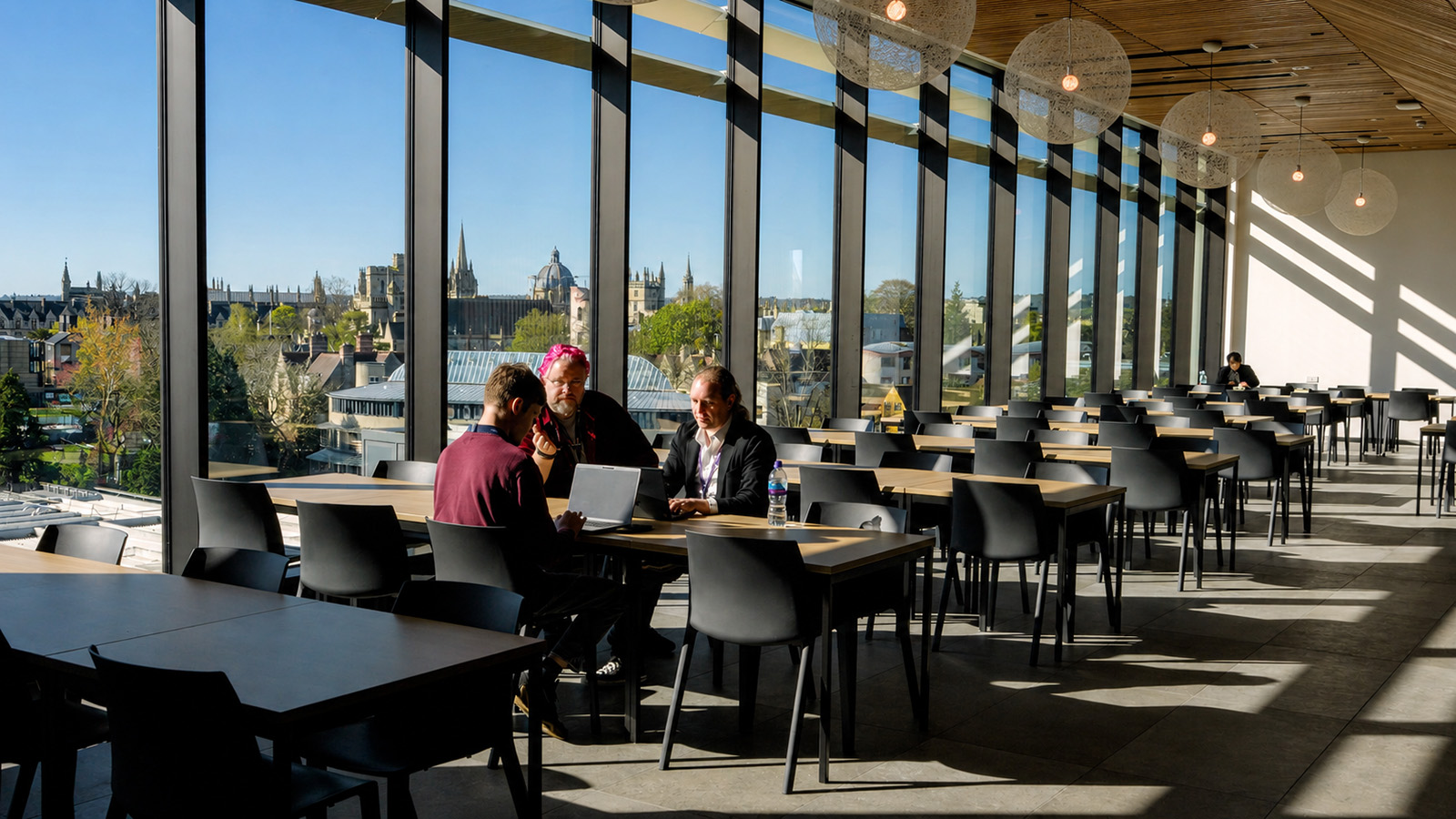
A solution built around teaching, not technology
At Oxford, the goal is not to reinvent teaching. It is to make it easier to deliver, capture, and share with confidence.
That philosophy came through clearly in the Life and Mind Building, where Oxford brought together multiple stakeholders to design spaces that support a wide range of teaching styles while still feeling coherent to the people using them. The technology may vary from room to room, but the experience should not. In Jake’s words, “In an Oxford teaching space, I should be able to walk in, talk, be recorded accurately, have my voice heard in the room, and be able to present my content on a slide.”
This is where the AV strategy becomes bigger than lecture capture. Oxford is building an environment where technology supports the core mission of teaching, learning, and research without asking users to change how they teach. “We don’t really want to try and reinvent the wheel,” says Jake. “We want to make sure that the real-world in-the-room experience and the digital experience are of the quality that we expect.”
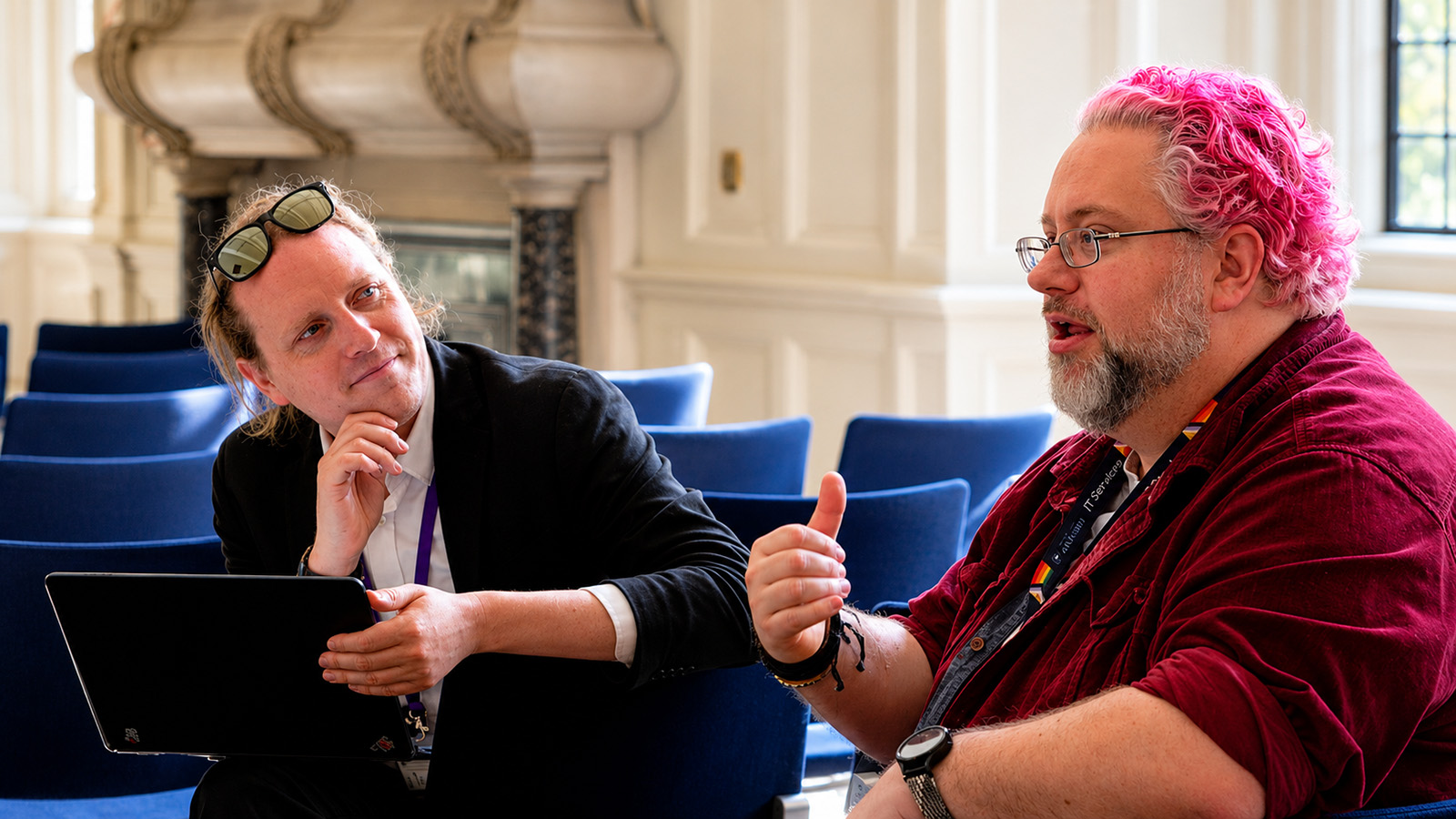
"We want to make sure that the real-world in-the-room experience and the digital experience are of the quality that we expect.”
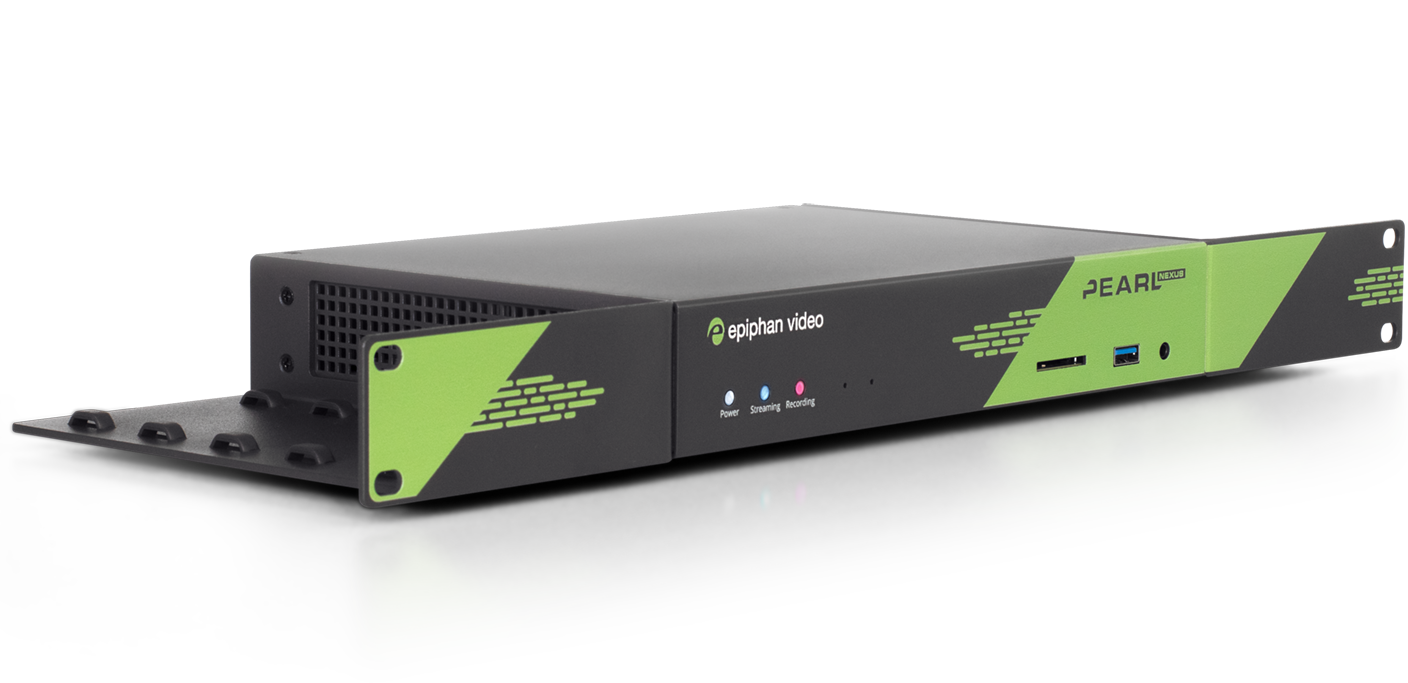
Discover the award-winning Pearl Nexus
The most flexible recording and streaming appliance for automating video in any space.
Results: reduced burden, greater confidence, and a better teaching experience
The clearest result has been reliability.
Before Oxford upgraded one of its lecture capture deployment, Lewis says the team was logging around 190 to 200 incidents per year related to system failure or problems. After the shift to the new model, that number dropped by 85%. “The proof is in the pudding.”
That improvement has operational consequences far beyond the number itself. Fewer recording failures mean fewer support tickets, less time spent firefighting, and more confidence for faculty and students who rely on captured content. Oxford’s AV teams can focus more on improving the user experience and less on compensating for fragile infrastructure.
For faculty, the benefit is straightforward: walk in and teach. For students, it means more dependable access to the material they need. For Oxford as an institution, it means delivering a more equitable standard of experience across spaces that were built in very different eras.
Lewis sums it up simply: “Without that trust, we couldn’t do our jobs.”
-
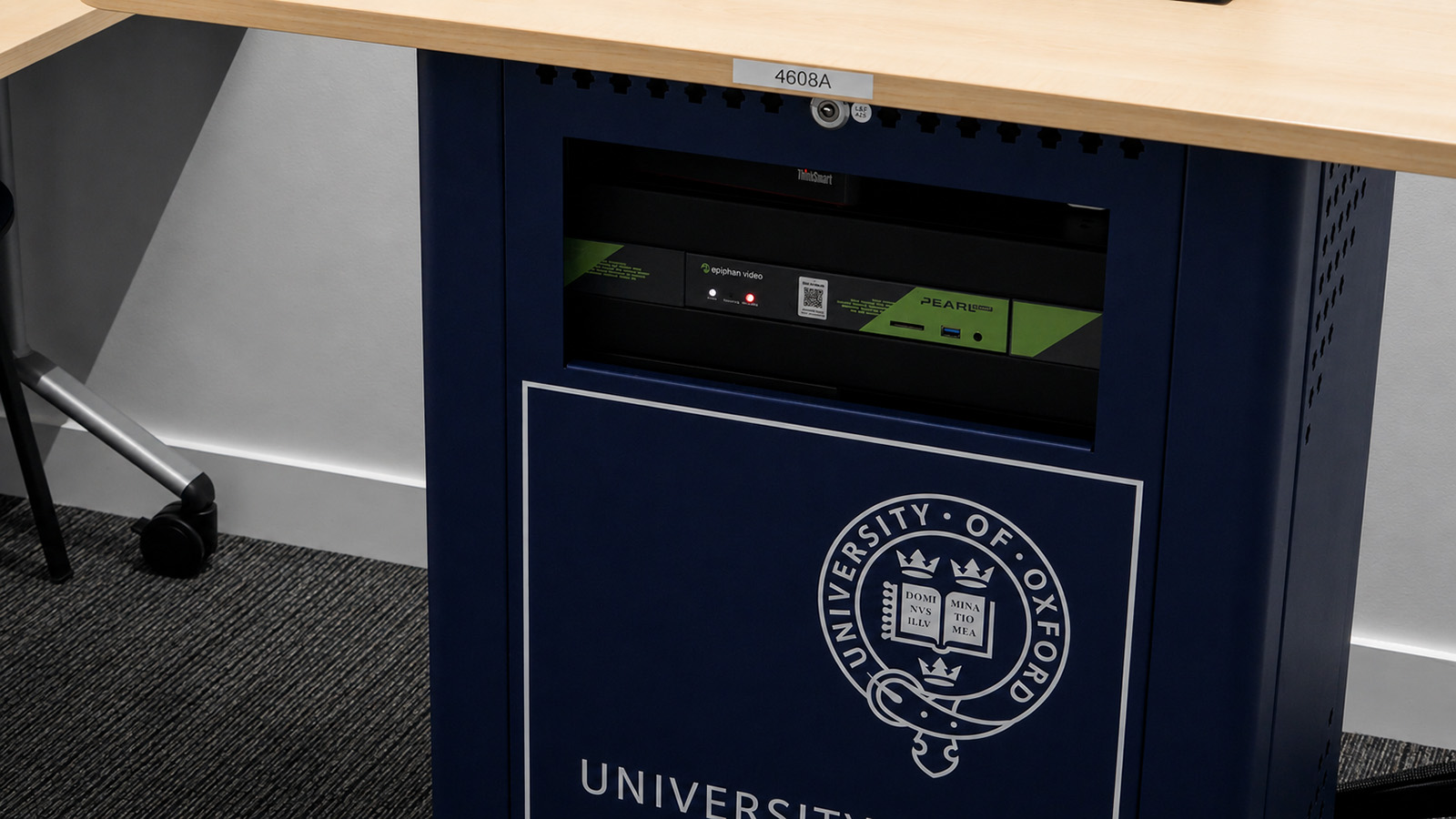
Epiphan Pearl Nexus in a lectern rack
-
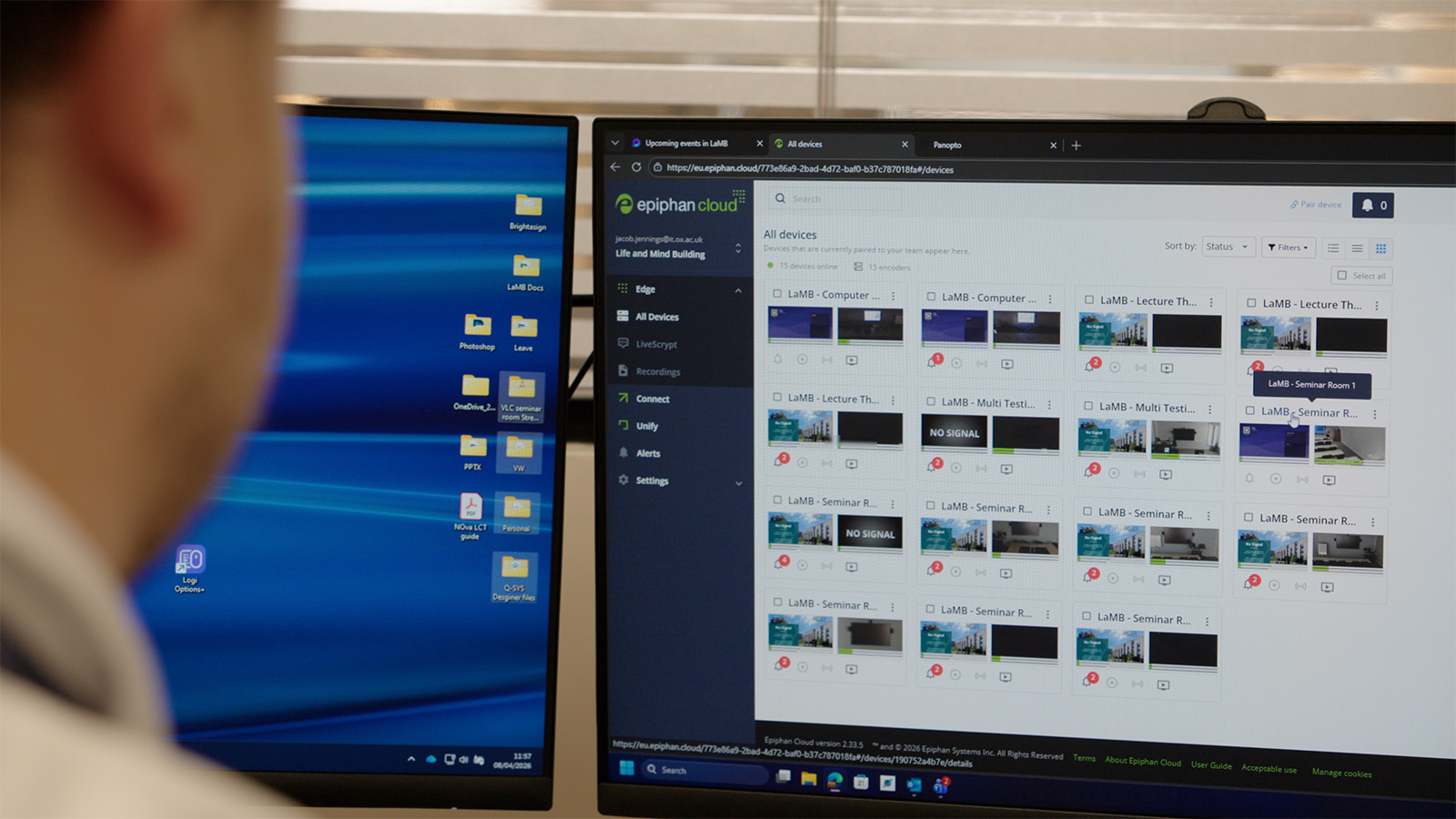
Epiphan Cloud fleet device management
“Without that trust, we couldn’t do our jobs.”
Looking ahead
Oxford’s AV journey is about continuity: helping teaching carry forward in a place shaped by centuries of learning.
The university is working to preserve what makes Oxford distinctive while building the dependable AV infrastructure today’s teaching and research require. That means respecting the realities of historic spaces, designing intelligently for new ones, and building a consistent teaching experience across both.
With Epiphan Pearl as part of that approach, Oxford is better equipped to support teaching and learning at scale, reduce operational burden, and create spaces where the technology fades into the background and the focus returns to what matters most: teaching, learning, and research.
About the University of Oxford
Teaching at Oxford dates back to 1096, making it one of the oldest universities in the world. Today, Oxford remains a globally recognized leader in teaching and research, with a highly diverse estate that spans centuries of academic history. Across that estate, the university continues to invest in the tools, spaces, and services that help its students and faculty do their best work.