At the University at Buffalo (UB), classroom capture is not an add-on – it’s an expectation. With nearly 200 centrally scheduled rooms across three campuses, UB’s AV team has spent decades refining a capture workflow that serves thousands of students every day.
But as the solution grew, so did the support burden. PC-based capture systems required constant imaging, testing, and lifecycle replacement. Each semester meant deploying specialized OS builds, validating software updates, and maintaining racks full of converters and interface devices.
UB needed a more reliable, streamlined, and future-ready approach. After extensive testing, the institution began transitioning its rooms to Epiphan Pearl Nexus, supported by Epiphan Edge, as the foundation of a new ecosystem for recording, streaming, and, in the very near future, AI-enhanced classroom insights.
Challenge: Maintaining a complex PC-based capture infrastructure at scale
UB didn’t just adopt classroom capture — they built it, rebuilt it, and reinvented it over the years. “We’ve evolved through every generation of classroom capture,” says John Pfeffer, Principal Technology Architect for Learning Spaces. “From early home-built systems to appliances to PC capture, we’ve seen what works, and where the pain points show up over time.”
Their modern setup relied on custom-built PC racks that included the capture computer plus multiple converters, dongles, and interfaces. Keeping them operational required ongoing involvement from multiple teams.
Key challenges included:
- Regular OS re-imaging each semester
- Risk of Windows updates breaking capture workflows
- Multi-team handoffs (PC support, AV integration, capture services)
- Complex rack builds with numerous components
- Long replacement cycles requiring full rebuilds
- Support burden that scaled with every room added
Adam Pellittieri, Classroom Systems Engineer, described the process simply: “It was a burden. Every rollout was two or three people’s time, several stages, and a lot of testing. And every four years, you pulled the whole thing apart and did it again.”
As UB planned for a long-term refresh of its classroom standards (and with the Windows 11 transition looming) the team began searching for a dedicated hardware solution that would simplify deployment without disrupting existing workflows.
-
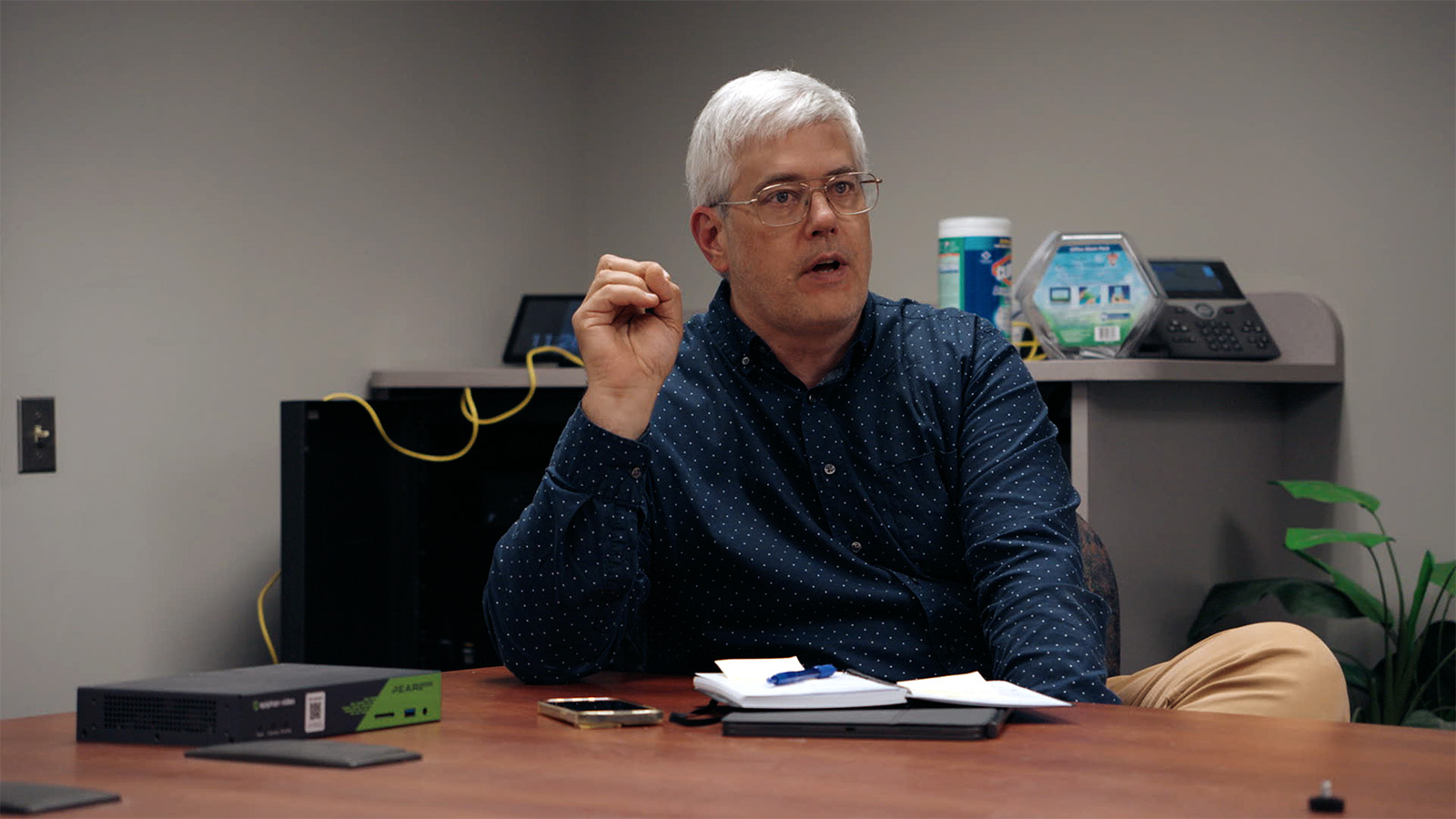
John Pfeffer, Principal Technology Architect for Learning Spaces
-
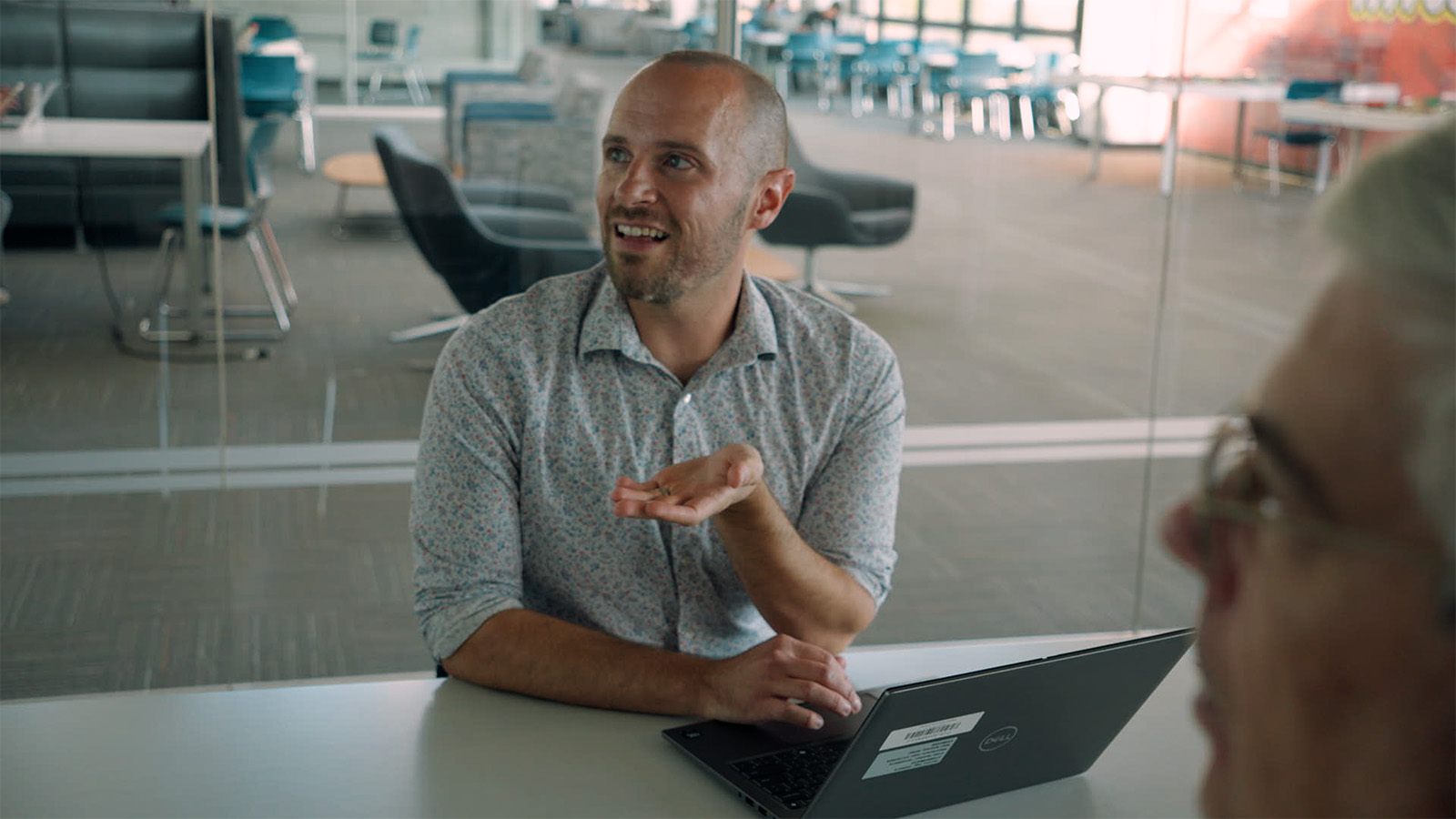
Adam Pellittieri, Classroom Systems Engineer at University at Buffalo
Solution: Pearl Nexus + Epiphan Edge — a cleaner, more efficient foundation
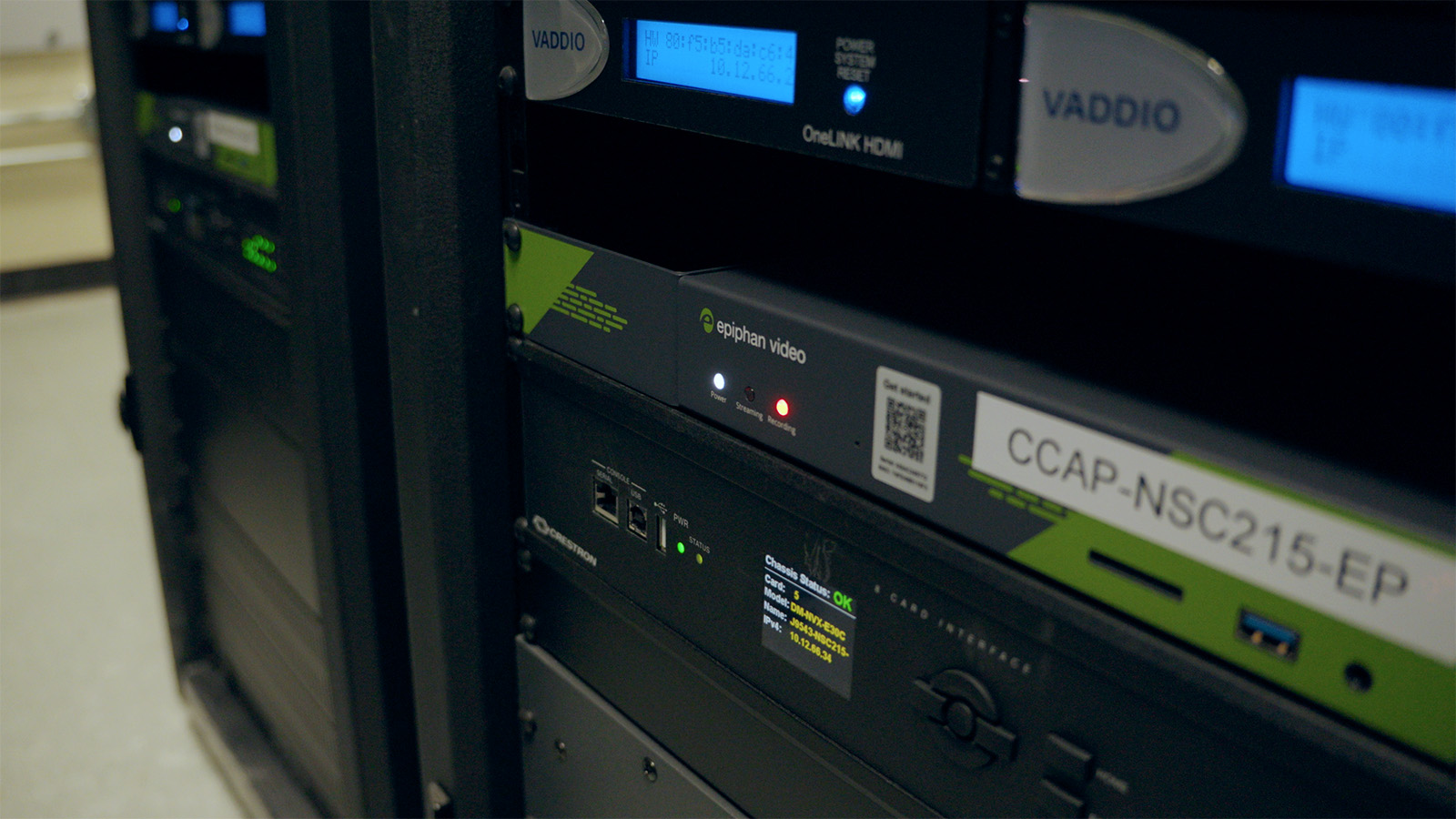
UB selected Epiphan Pearl Nexus as the next generation of its classroom capture standard. Nexus provided the flexibility, reliability, and simple operation they needed, while fitting neatly into their existing AV designs.
Why Pearl Nexus fit UB’s vision
- Dedicated hardware: no operating system to patch or re-image
- Flexible I/O for rooms with multiple video sources
- Clean integration with UB’s existing Panopto video platform
- Fast deployment: register, apply presets, and schedule
- Removes “extra boxes” in the rack by consolidating functionality
“With Pearl Nexus, we eliminated four to five additional devices and replaced them with one,” John noted. “My goal is always to reduce the technology stack where it makes sense.”
Streamlined deployment
The difference for UB’s operations team was immediate.
“With Nexus, I put on the rack ears, register the device on the network, bring it into Epiphan Cloud, and tell our capture team it’s ready,” said Adam. “That’s it. Compared to what we did before, it’s a huge difference.”
UB has now begun transitioning its classrooms to Nexus as part of a multi-year modernization effort, bringing each room in line with their long-term standards while reducing support load across teams.
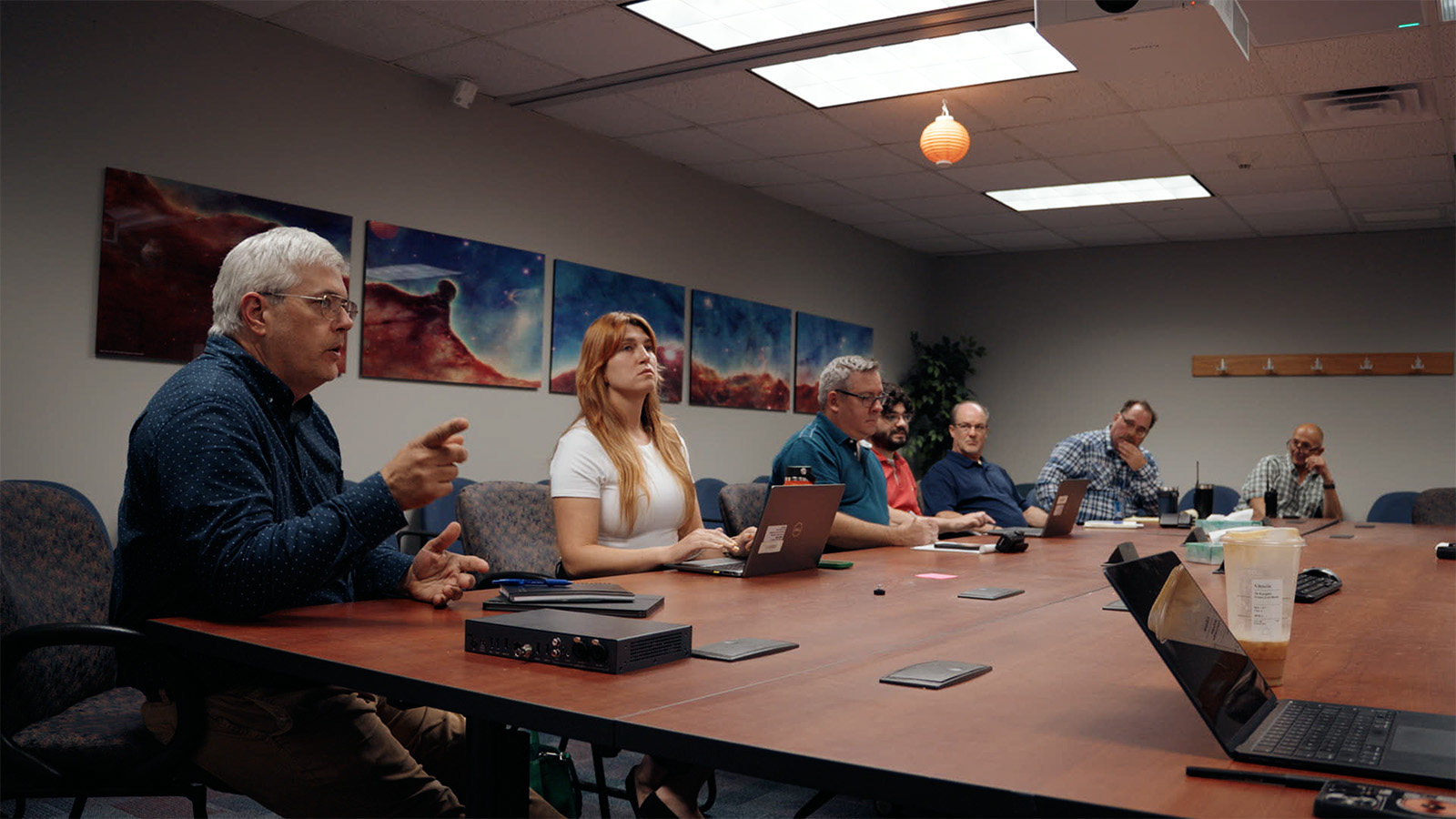
“With Pearl Nexus, we eliminated four to five additional devices and replaced them with one."
Management at scale with Epiphan Edge
Managing nearly 200 active capture rooms requires visibility and consistency. Epiphan Edge gives UB’s AV team a centralized view of their hardware, letting them deploy updates and troubleshoot without visiting each space.
“We can log into Epiphan Cloud from anywhere,” John said. “It even worked while I was at a conference in Raleigh.”
Key advantages:
- Remote monitoring
- Centralized firmware updates
- Configuration consistency across rooms
- Fewer site visits for Tier 2 and Tier 3 staff
As reliability continues to prove out, UB expects Edge to reduce the amount of day-to-day monitoring needed from technical staff.
“Our job is to make the data available in the easiest way for instructors to use it. Faculty should be empowered, not burdened.”
Results: Simplified workflow, reduced burden, and room to innovate
Less time fighting PCs, more time serving students
With fewer moving parts to maintain, UB’s AV staff can focus on higher-value work instead of rebuilding PC images or troubleshooting driver conflicts.
“We haven’t missed a single recording with Nexus,” Adam shared. “Everything has gone off without a hitch, and now we have more time to innovate and take on new projects.”
A more scalable model for classroom capture
As the new standard rolls out, the team is already thinking about where else capture can be offered — including additional teaching spaces and non-traditional environments.
“Anytime we can deploy more with less burden on staff, that increases access for students,” Adam said.
Simple, transparent experience for users
UB’s faculty and students don’t need to think about the technology running behind the scenes. Scheduled captures continue to run exactly as before — only now, the infrastructure underneath is more robust, manageable, and predictable.
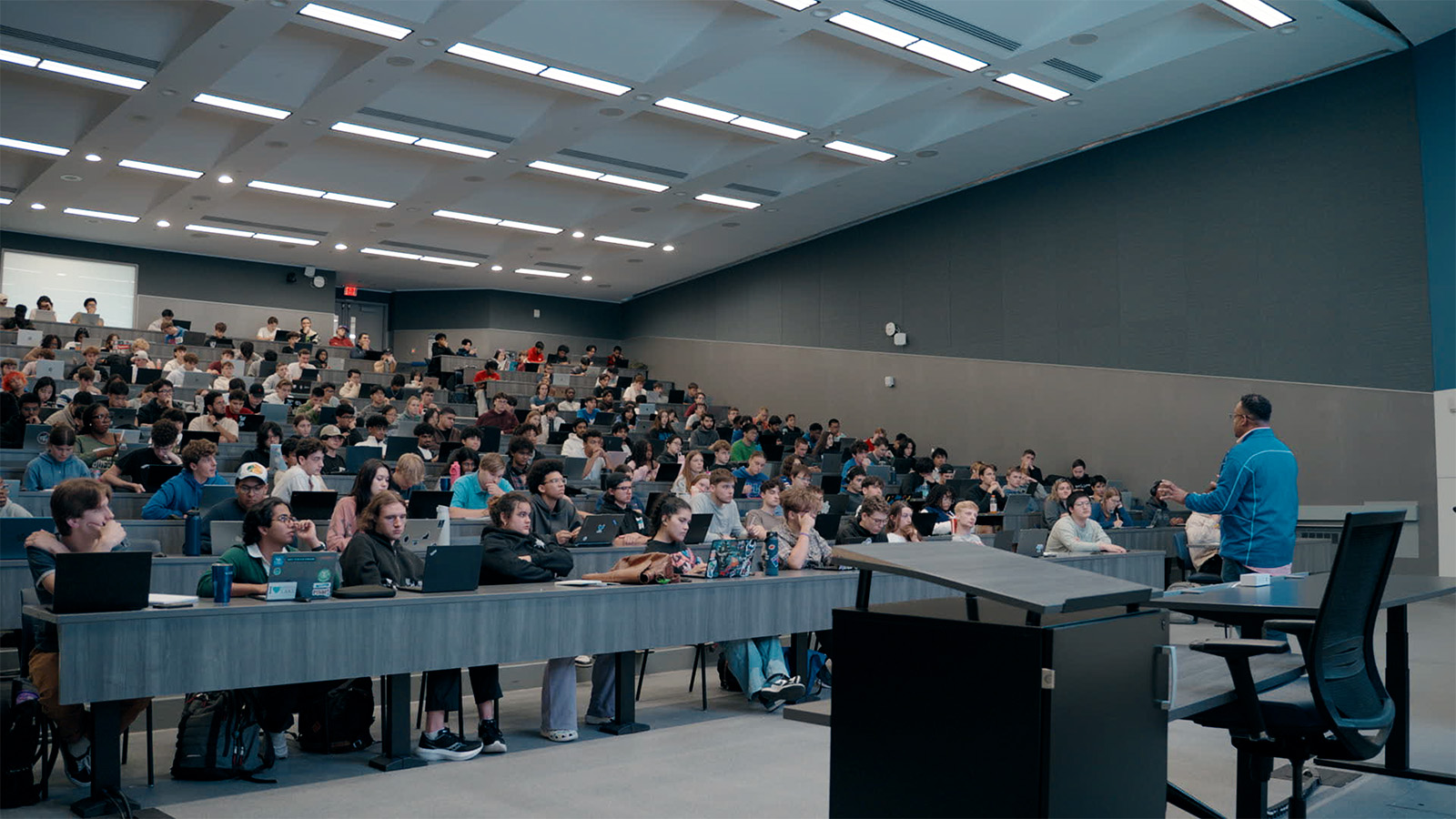
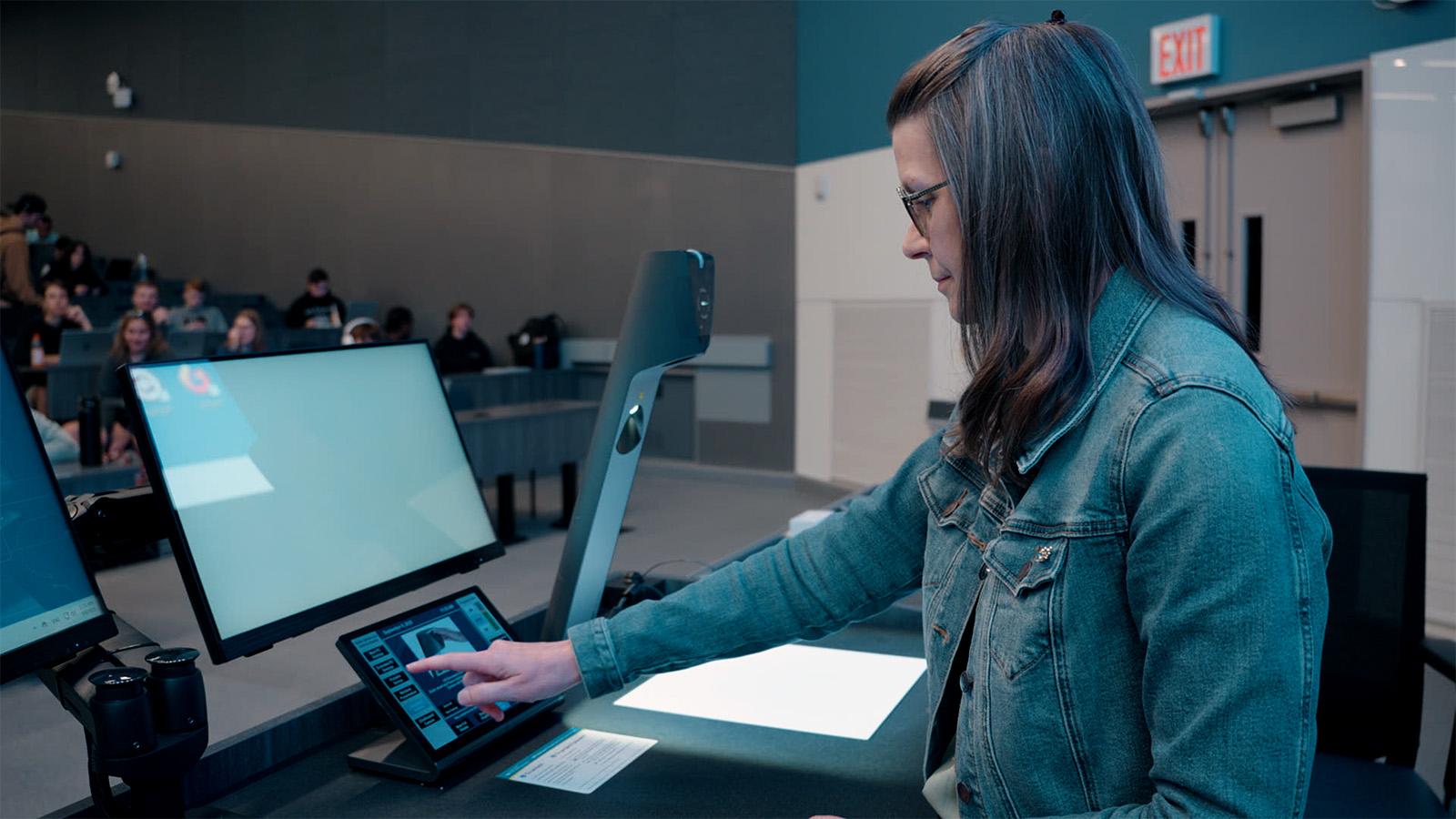
"We haven’t missed a single recording with Nexus."
Preparing for the future: AI-ready classrooms with EC20
UB also participated as an early evaluator of Epiphan’s EC20 PTZ camera, which will bring new AI-driven capabilities to classrooms.
For UB, the future isn’t just about better video — it’s about what that video enables.
“We generate the audio and video that AI is going to rely on,” John explained. “The question is: how do we turn that into something useful for instruction and administration?”
Potential applications they’re exploring include:
- Intelligent room occupancy data
- Classroom utilization insights
- Instructor-driven personalization tools
- Detection and feedback for room health or microphone issues
And critically, UB views AI as a pathway to better classroom experiences for everyone.
“Our job is to make the data available in the easiest way for instructors to use it,” Adam said. “Faculty should be empowered, not burdened.”
By pairing EC20 with Pearl Nexus and Epiphan Edge, UB sees a clear path toward a cohesive, AI-enabled classroom ecosystem.
-
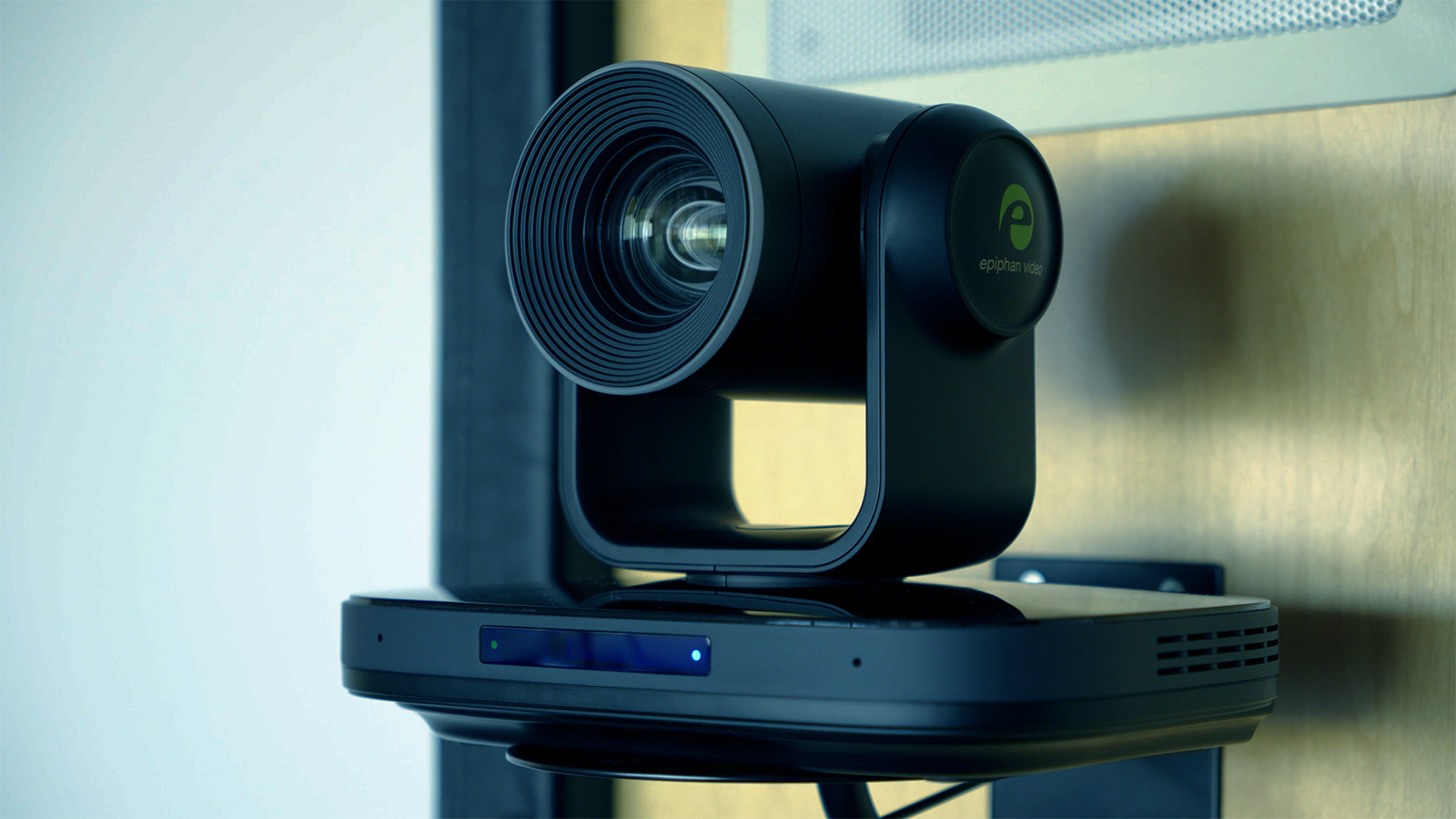
EC20 PTZ Camera captures room occupancy data
-
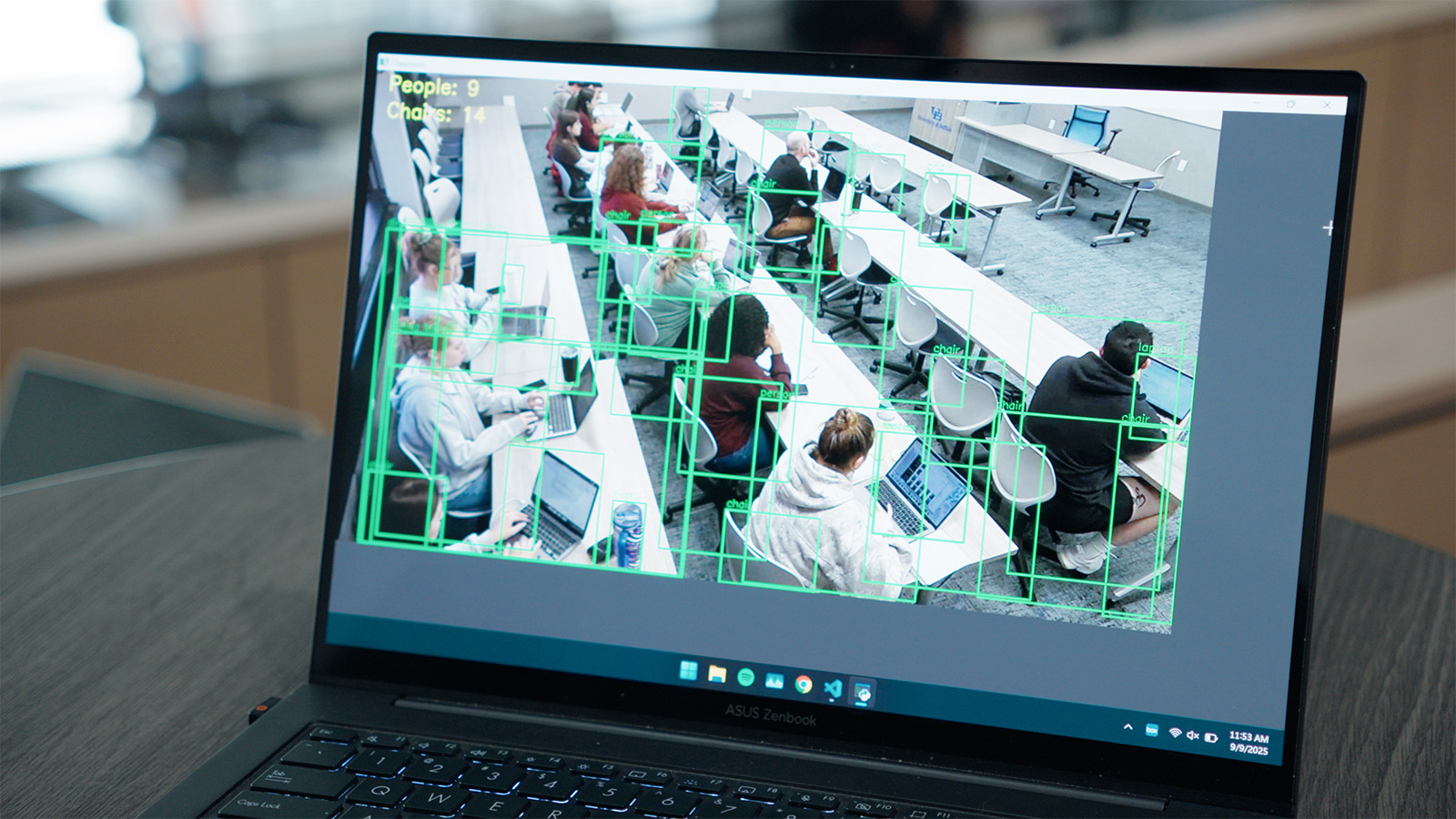
AI-powered technology automatically estimates room occupancy
Looking ahead
UB’s journey isn’t just a switch from PCs to appliances — it’s the start of a new foundation for teaching and learning. With the Epiphan ecosystem in place, UB’s AV team is better equipped to standardize classrooms, streamline operations, reduce support load, and prepare for what comes next.
“We’re very excited about the future here at the University at Buffalo,” John said. “And Epiphan is playing a critical role in that.”
About the University at Buffalo
The University at Buffalo is a flagship public research university in the State University of New York (SUNY) system, serving more than 32,000 students across three campuses. UB is recognized for academic excellence, research leadership, and a deep commitment to accessible, technology-enhanced learning environments.